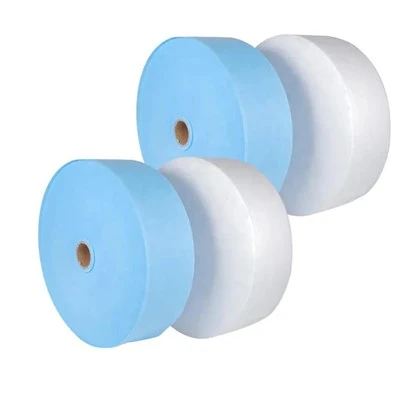
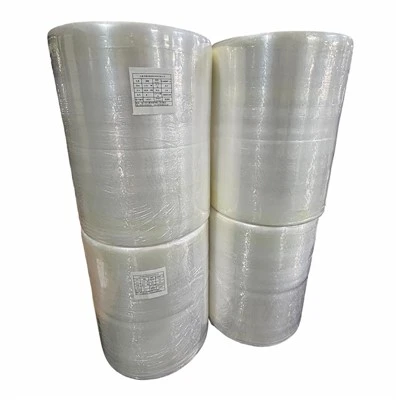
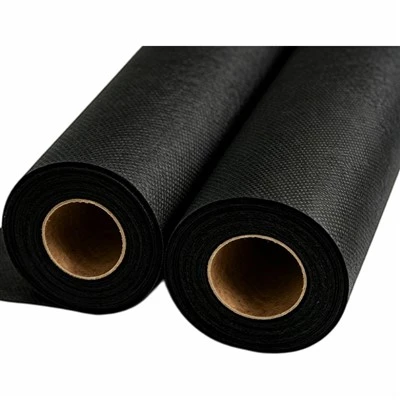
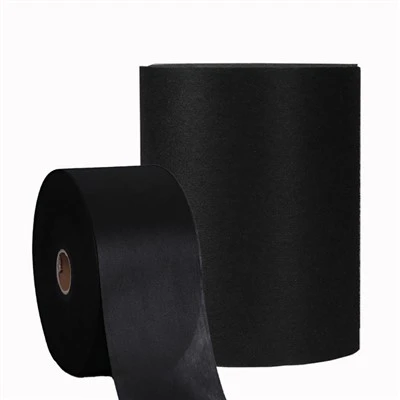
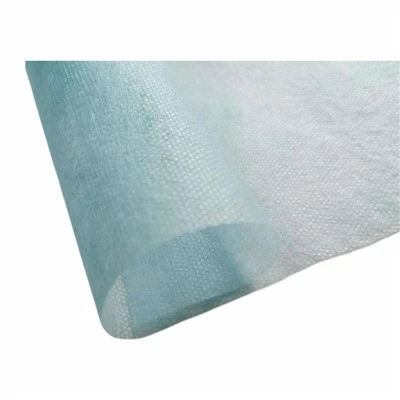
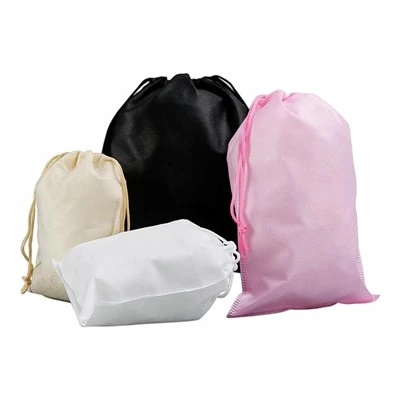
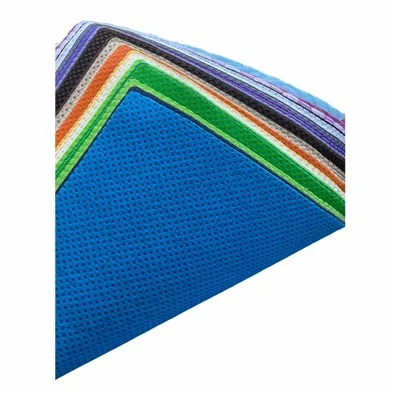
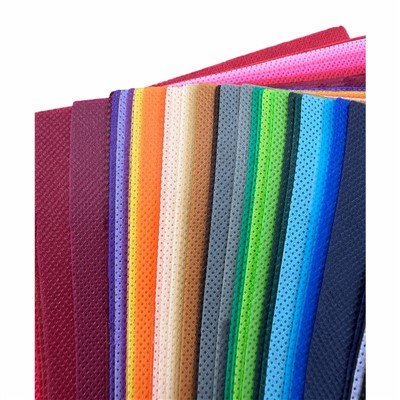
Flame-retardant non-woven fabric is a type of non-woven textile primarily made from polyester (a polymer of terephthalic acid or dimethyl terephthalate and ethylene glycol). It is characterized by high strength, good elasticity, a smooth surface, excellent abrasion and light resistance, and corrosion resistance, though it has relatively poor dyeability. Formed through the directional arrangement and bonding of fibers, the material is moisture-resistant, breathable, and flexible.
Its flame-retardant properties are achieved through the addition of halogen-based, organophosphorus, intumescent, or inorganic flame retardants, with bromine-based flame retardants being the most widely used. Production processes fall into two categories: flame-retardant needle-punched fiber (where fibers are interlocked via needle punching) and flame-retardant hot-air bonded fiber (where the fiber web is passed through a hot-air oven). The material must comply with testing standards such as US CFR 1633 (peak heat release rate ≤200 kW over 30 minutes for mattresses), UK BS 5852, and US TB 117 (combustion time ≤8 seconds), catering to markets for high-end mattresses, European sofas, and textiles with lower fire-safety requirements, respectively.

Applications span six major categories, including medical protective gear, fire-resistant construction materials, and automotive filtration materials; the polyester substrate offers both heat and corrosion resistance. Some production processes employ a synergistic flame-retardant technology combining dimethyl methylphosphonate (DMMP) and zinc borate to form a protective carbonized barrier layer.