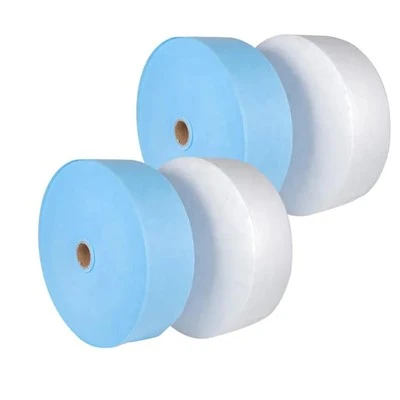
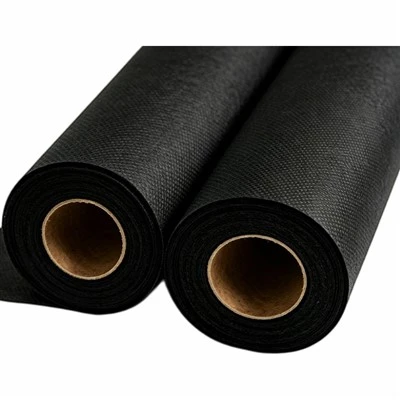
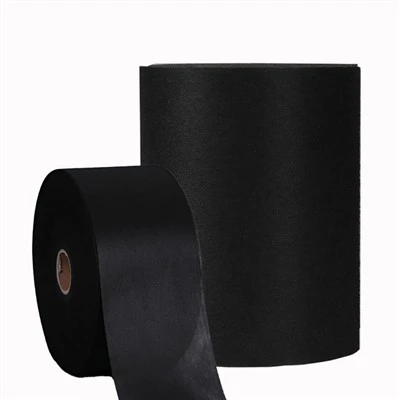
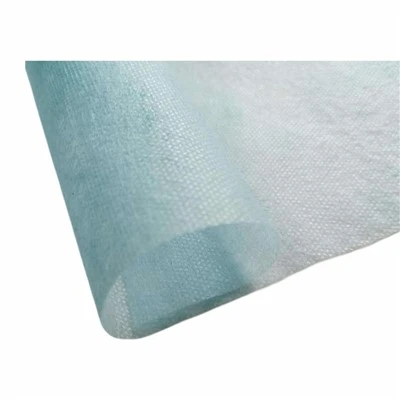
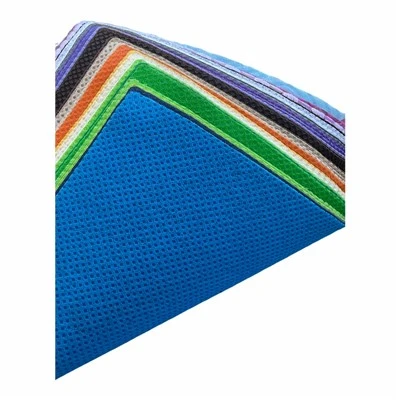
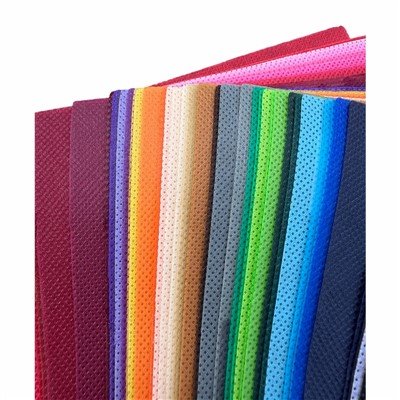
The air permeability of non-woven fabrics generally ranges from 10 to 1,000 gsm, capable of reaching high levels.
Factors Affecting Air Permeability
The air permeability of non-woven fabrics depends on factors such as material type and processing methods. Material fineness, formation techniques, and manufacturing processes all directly influence breathability. Generally, the finer the fibers, the better the breathability; similarly, superior processing techniques result in better air permeability.
Advantages of Air Permeability
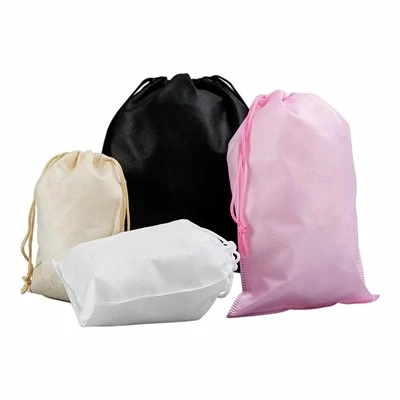
Thanks to various processing techniques, non-woven fabrics exhibit excellent air permeability. They are widely used in medical, hygiene, and household sectors-for products such as medical masks, sanitary napkins, wet wipes, and home goods. Their breathable nature ensures effective ventilation, moisture absorption, and thermal insulation, while also providing dust resistance, mold resistance, and antibacterial properties.
Range of Air Permeability
Due to variations in materials and production processes, the range of air permeability is quite broad. Generally, it falls between 10 and 1,000 gsm, capable of reaching high levels.
In summary, the air permeability of non-woven fabrics is significantly influenced by material type and processing techniques; it generally ranges from 10 to 1,000 gsm and can reach high levels. Furthermore, non-woven fabrics offer excellent breathability and are widely utilized in medical, hygiene, and household applications.