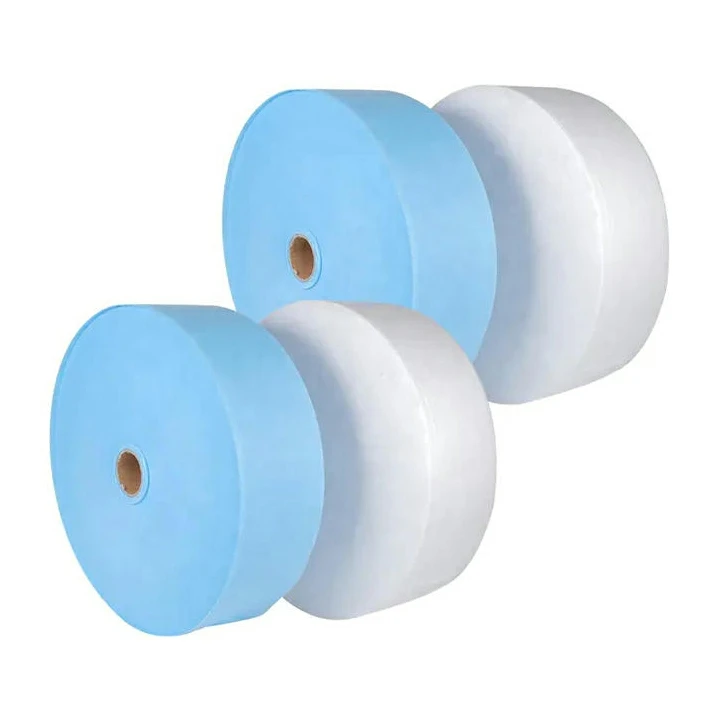
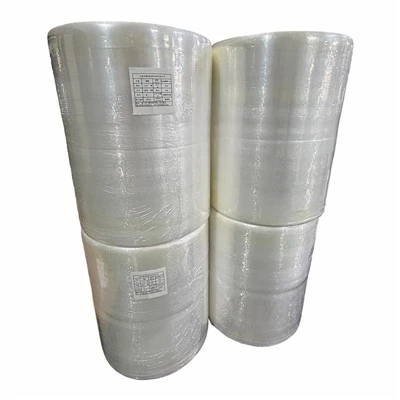
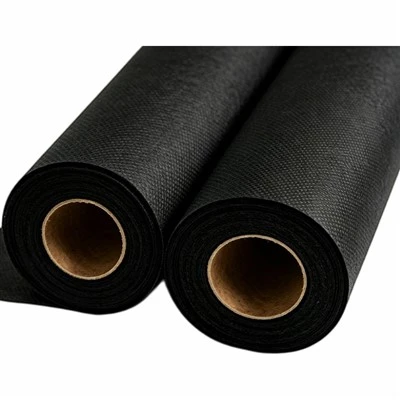
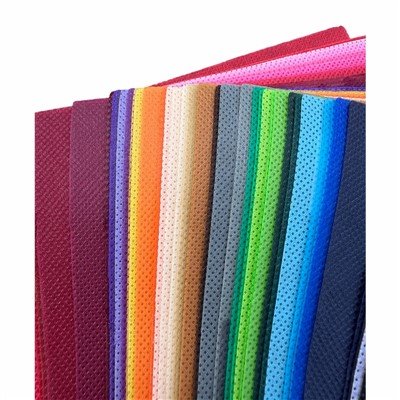
Flame-retardant finishing is a process used to impart flame-retardant properties to nonwoven fabrics by fixing flame-retardant agents onto the material through mechanisms such as adsorption and deposition, chemical bonding, van der Waals forces, or adhesion. This finishing can be achieved using methods such as padding or spraying. While the process is relatively simple and requires low investment, it may affect the appearance and hand-feel of the nonwoven fabric.
Flame-retardant nonwoven fabrics are primarily used in medical and hygiene, home decoration, and apparel sectors. Medical and hygiene applications include surgical gowns, protective clothing, sterilization wraps, face masks, diapers, household cleaning cloths, general-purpose wipes, wet wipes, compressed towels, soft towel rolls, beauty supplies, cleaning pads, and disposable cleaning cloths. Home decoration applications include wall coverings, tablecloths, bed sheets, and bedspreads. Apparel applications include linings, fusible interlinings, batting, structural wadding, and backing fabrics for synthetic leather.
These fabrics also find applications in industry, agriculture, and other fields. Industrial uses include substrates for roofing tiles, reinforcement materials, polishing materials, filtration media, insulation materials, cement bags, geotextiles, and wrapping fabrics. Agricultural uses include crop protection fabrics, seedling-raising fabrics, irrigation fabrics, and thermal insulation curtains. Other applications include "space cotton" (high-loft fiberfill), thermal and acoustic insulation materials, oil-absorbent mats, cigarette filters, tea bags, and footwear materials.