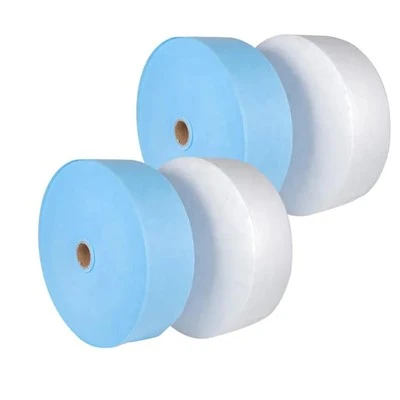
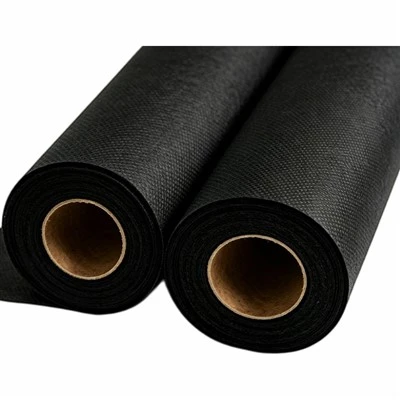
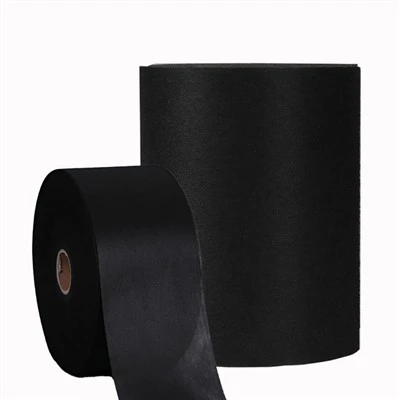
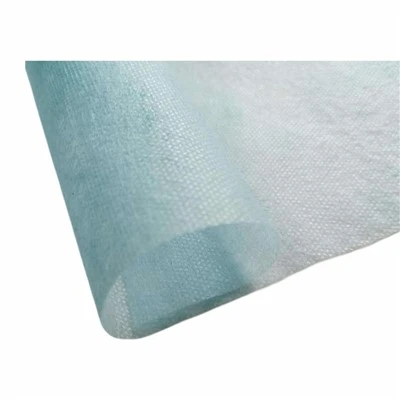
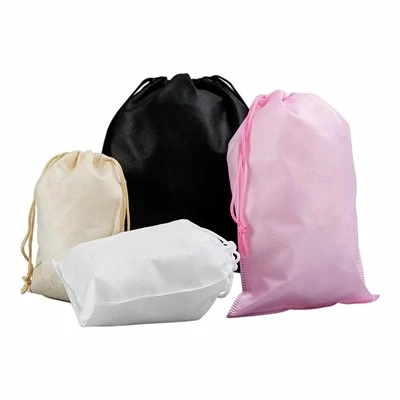
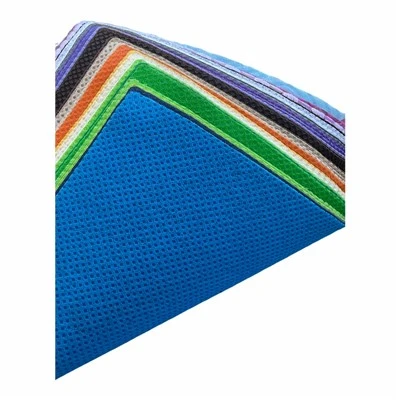
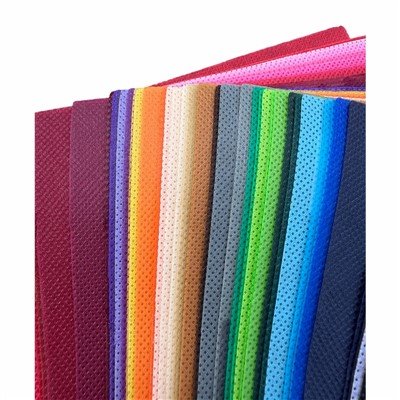
Flame-retardant non-woven fabric-also known as flame-retardant matte non-woven fabric-is a type of textile formed without spinning or weaving. It consists of a sheet, web, or batt of fibers (oriented or randomly arranged) bonded together through friction, cohesion, adhesion, or a combination of these methods.
Its primary component is polyester, a type of chemical fiber produced by the polymerization of terephthalic acid (or dimethyl terephthalate) and ethylene glycol. Based on raw materials, these fabrics can be categorized into types such as polyester, polypropylene, and viscose.
Flame-retardant non-woven fabrics are characterized by high strength, good elasticity, heat resistance, a smooth surface, abrasion resistance, light stability, and corrosion resistance (though they have relatively poor dyeability). They also offer moisture resistance, breathability, and flexibility, while being non-combustible and biodegradable.
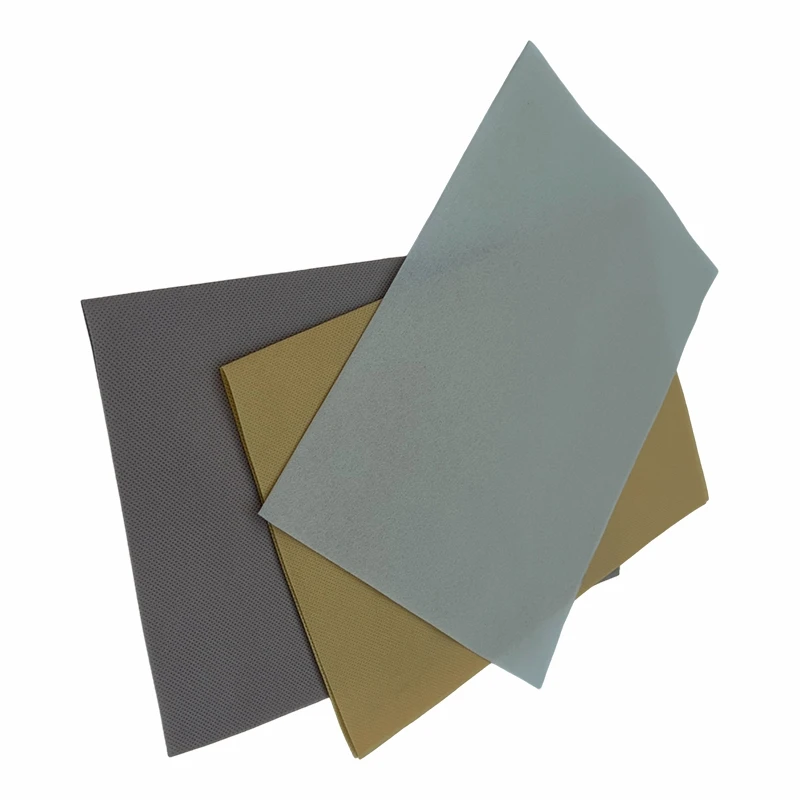
The flame-retardant mechanism primarily involves the addition of flame retardants-additives that enhance fire safety by raising the material's ignition point or inhibiting combustion.
There are various types of flame retardants, including halogen-based, organophosphorus-based, phosphorus-halogen-based, intumescent, and inorganic varieties; among these, brominated flame retardants (a subset of halogen-based retardants) are currently the most widely used.
Based on manufacturing processes, flame-retardant non-woven fabrics can be classified into flame-retardant needle-punched cotton and flame-retardant hot-air cotton. The former is formed by fiber entanglement via needle-punching machinery, while the latter is created by laying the fiber web and passing it through a hot-air oven. Both products share common attributes: flame retardancy, lightweight construction, thermal insulation, durability, and eco-friendliness.