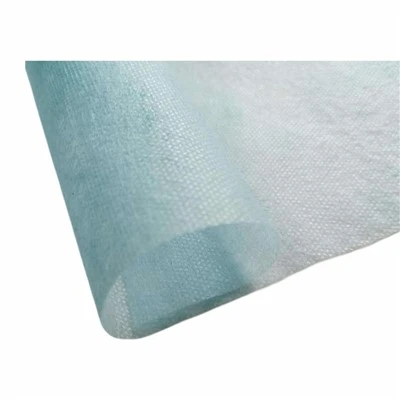
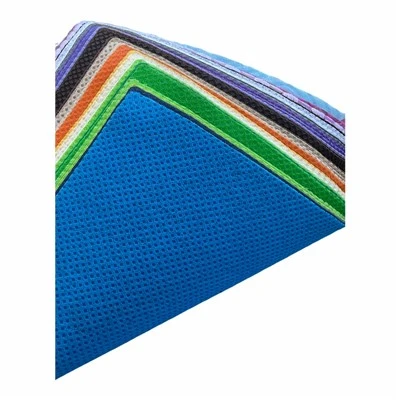
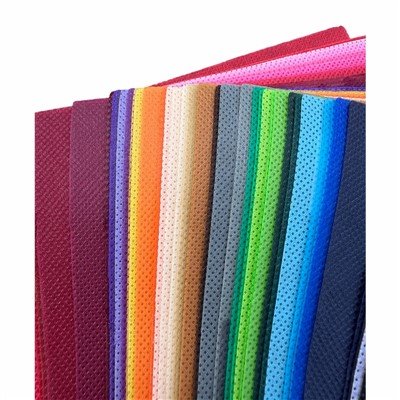
Agricultural spunbond non-woven fabric is widely used as a covering material. Its permeability to air and water makes it highly popular in agriculture for covering greenhouses and polytunnels, as well as for protecting seedlings.
Let us consider the specific applications based on fabric density. Note that for all applications, the smooth side should face outward, while the textured (fuzzy) side faces the plants. This configuration allows excess water to run off during rain, while the inner textured surface retains moisture, creating a favorable microclimate for the plants.
17 gsm
The thinnest and lightest grade. In horticulture, it is used to cover seedbeds and seedlings directly. It accelerates soil warming and creates a lightweight, web-like insulating layer that allows tender shoots to emerge without damage. To prevent the fabric from blowing away, it should be weighed down with stones or wooden planks, or secured with specialized agricultural fabric anchors.
30 gsm
A more durable material suitable not only for covering beds but also for constructing small greenhouses. It reliably protects plants from cold, frosts down to -5°C, insects, birds, and hail. It effectively prevents overheating, reduces soil moisture evaporation, and helps maintain optimal moisture levels. Larger crops, such as shrubs and fruit tree saplings, can also be insulated with this material.
42 gsm
A soft yet durable spunbond fabric. It is convenient for covering large areas-such as lawns-and acts as a simulated snow cover, particularly in autumn and early spring. It offers excellent light and water permeability while effectively protecting seedlings, shrubs, and trees from brief frosts down to -7°C.
60 and 80 gsm
These are the thickest and most durable white non-woven fabrics. They are primarily used for greenhouses and polytunnels. The greenhouse structure allows snow to slide off naturally, eliminating the need for manual removal in winter; the material is durable enough to last 3–6 seasons, comparable to high-quality greenhouse sheeting. However, optimal results are achieved when combining the agricultural non-woven fabric with plastic film.