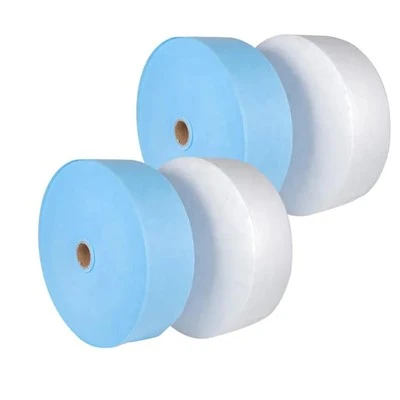
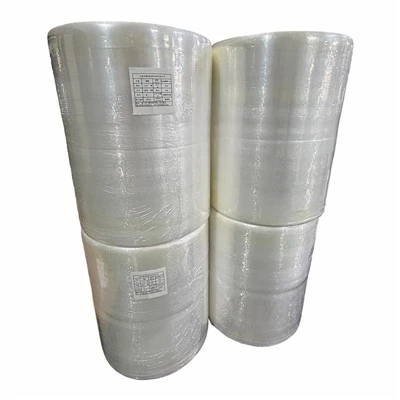
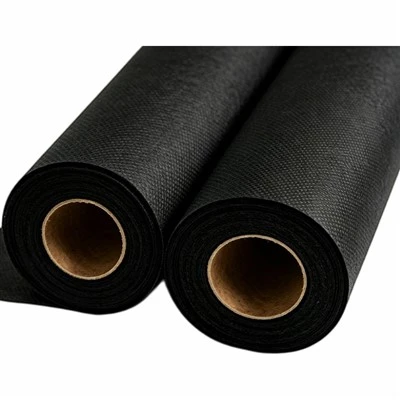
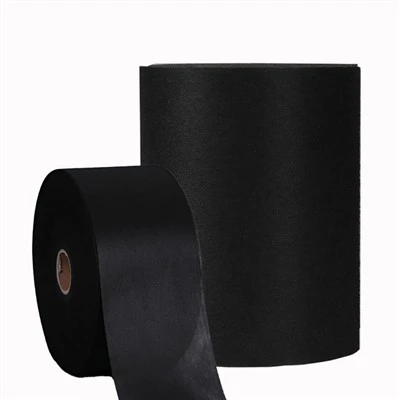
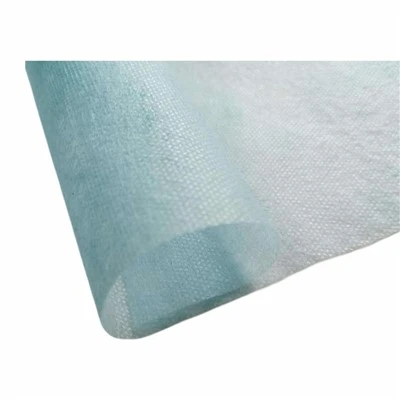
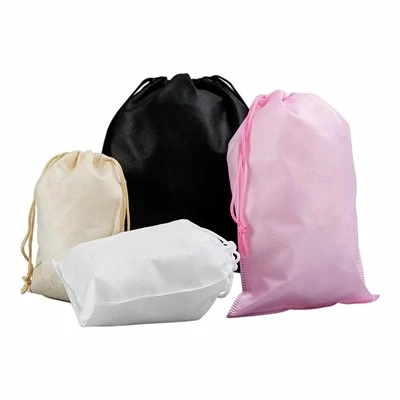
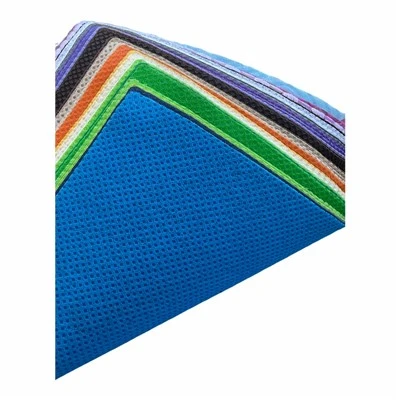
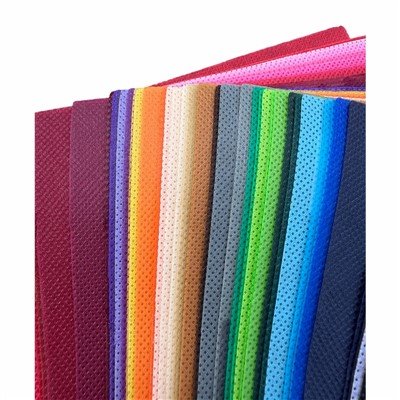
Medical non-woven fabric is a crucial medical material, primarily produced by combining spunbond and meltblown non-woven layers through processes such as thermal bonding. SMS and SMMS non-woven fabrics are among the most common types used in the medical field.
SMS Non-woven Fabric
SMS non-woven fabric is formed by thermally bonding three layers of fiber webs-spunbond, meltblown, and spunbond. It features the following characteristics:
Non-toxic and odorless: Made from 100% polypropylene fibers, it is non-toxic, odorless, and harmless to the human body.
High-efficiency bacterial barrier: The meltblown layer consists of continuous ultrafine fibers, providing an effective barrier against moisture, bacteria, and dust, resulting in a high bacterial filtration rate.
Multifunctional properties: Through specialized processing, it can achieve properties such as antistatic, alcohol-resistant, plasma-resistant, and water-repellent capabilities, meeting diverse needs in the medical sector.
SMMS Non-woven Fabric
SMMS non-woven fabric is formed by thermally bonding four layers of fiber webs-spunbond, meltblown, meltblown, and spunbond. Compared to SMS non-woven fabric, it offers superior performance:
Enhanced bacterial barrier: The dual-meltblown layer design further improves the barrier effect against bacteria and microorganisms.
Increased strength: The spunbond layers consist of continuous filaments, offering excellent tensile strength and elongation, making the SMMS fabric more durable.
Diverse applications: Suitable for protective products such as surgical gowns, surgical drapes, surgical wraps, medical bed sheets, scrub suits, and isolation gowns, as well as for industrial applications requiring high-efficiency filtration and oil-absorbing materials.