Flame-Retardant Properties
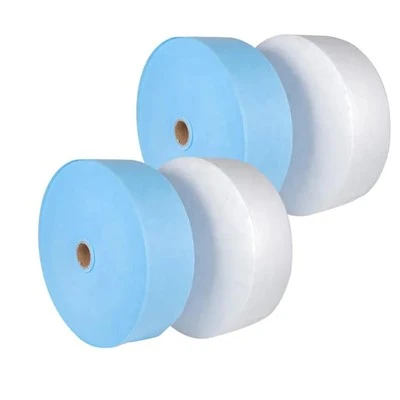
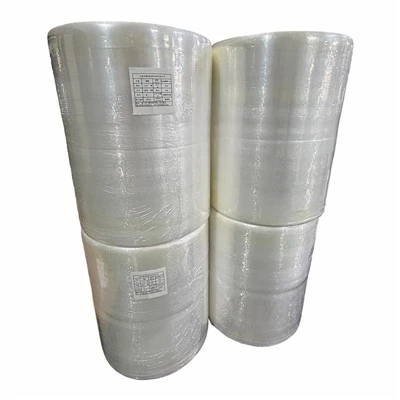
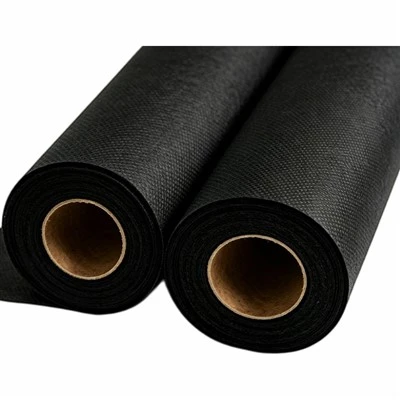
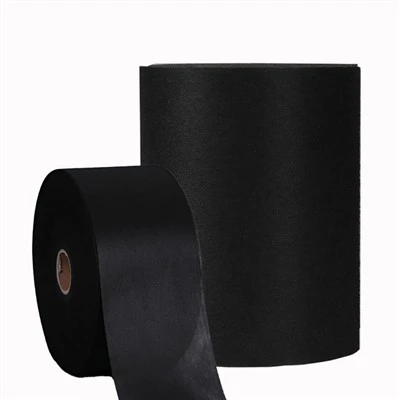
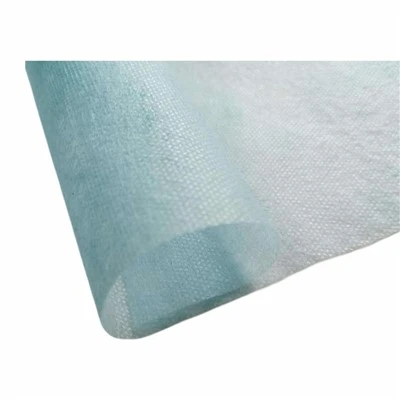
Flame-retardant non-woven fabrics possess significant flame-retardant characteristics; they can effectively slow the spread of fire when exposed to an ignition source and may even self-extinguish within a certain timeframe, thereby enhancing safety during use.
High Strength and Elasticity
Flame-retardant non-woven fabrics-particularly those composed primarily of polyester-exhibit high strength and good elasticity. This ensures excellent dimensional stability and tear resistance during use.
Heat and Abrasion Resistance
Made from synthetic fibers such as polyester and polypropylene, these flame-retardant non-woven fabrics offer good heat resistance, maintaining stable performance at elevated temperatures. Additionally, the fibers provide excellent abrasion resistance, withstanding daily wear and tear to extend the product's service life.
Smooth Surface and Light Resistance
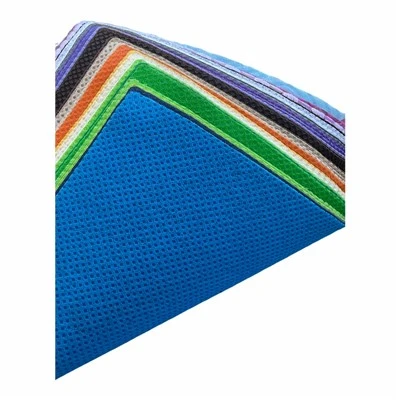
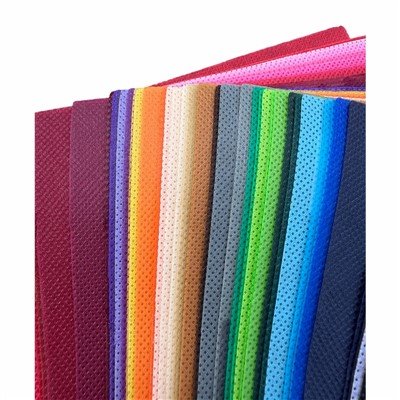
These fabrics feature a smooth surface that is easy to clean and maintain. They also demonstrate good light resistance, retaining vibrant colors and resisting fading even after prolonged exposure to light.

Moisture Absorption and Eco-friendliness
Certain flame-retardant non-woven fabrics-such as those containing viscose fibers-possess good moisture-absorbing properties, effectively managing moisture to maintain a comfortable environment. Furthermore, viscose fibers are eco-friendly and non-toxic, aligning with modern environmental standards.
In summary, thanks to their multiple advantages-including flame retardancy, high strength and elasticity, heat and abrasion resistance, a smooth surface with light resistance, and moisture-absorbing, eco-friendly qualities-flame-retardant non-woven fabrics are widely used across various sectors.