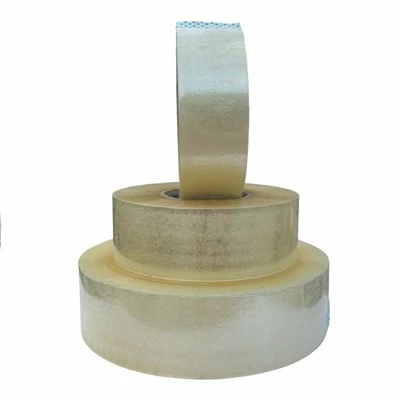
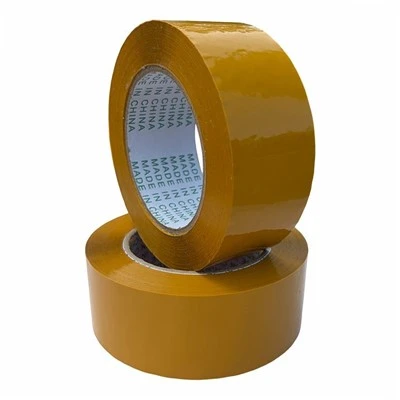
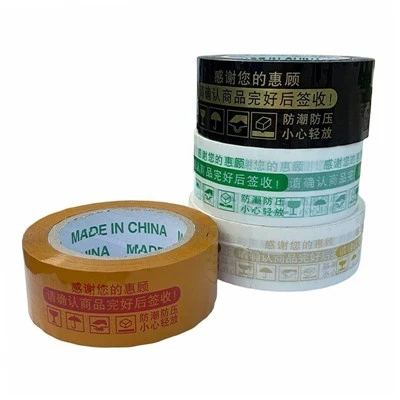
Standard carton-sealing tape (BOPP-biaxially oriented polypropylene) is an indispensable item for businesses and individuals alike; however, while there are many manufacturers in the domestic market, technical standards vary widely. The domestic tape industry remains at a low level of technological sophistication, and there are no clear national standards guiding selection. Consumers often have a limited understanding of tape, mistakenly equating low prices and a "tacky" feel with high quality.
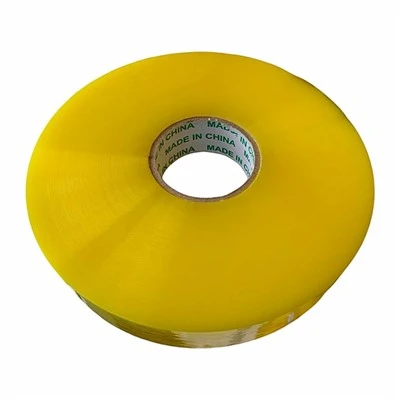
So, how does one evaluate the quality of tape? There are two key standards for the adhesive: initial tack and holding power; these two properties are inversely related. Tapes with an initial tack rating below "No. 10" typically have a thin adhesive coating-often only around 20 microns-such as stationery tape or tape used for basic promotional bundling. Standard carton-sealing tape usually has an initial tack rating between No. 15 and No. 20, with an adhesive thickness of 22–28 microns, which meets industry standards. However, many tapes on the market contain impurities that increase the overall thickness. To mask these impurities, manufacturers often add pigments, resulting in "transparent" tapes that appear yellowish or pale green; such tapes are generally of inferior quality.
How can one distinguish the quality of colored tapes-which are most commonly yellow or tan? One method is to press the adhesive surfaces together firmly and then pull them apart quickly; if the adhesive separates cleanly from one side, you can observe the purity and transparency of the base film. You can also examine the adhesive itself. If the adhesive does not stretch smoothly or pulls apart in a patchy, dotted pattern, it indicates either a high level of impurities (resulting in poor cohesive strength) or excessive moisture content that has already evaporated. In the latter case, the initial tack will have dropped significantly-a difference that is often perceptible to the touch. There are many ways to assess tape quality; with a little attention in daily life, one can easily distinguish between superior and inferior products.