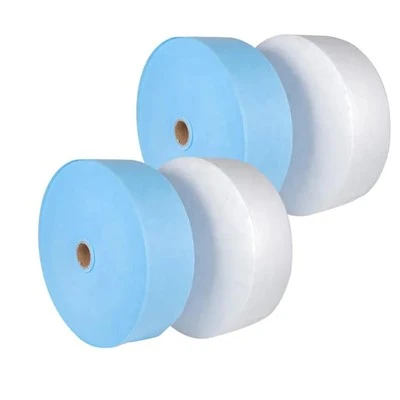
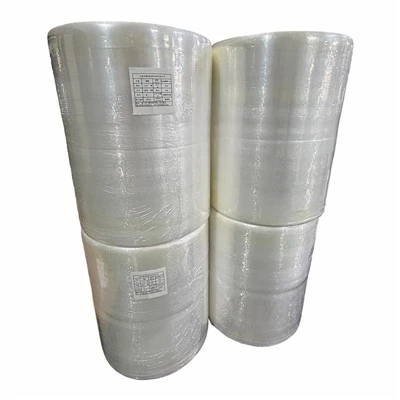
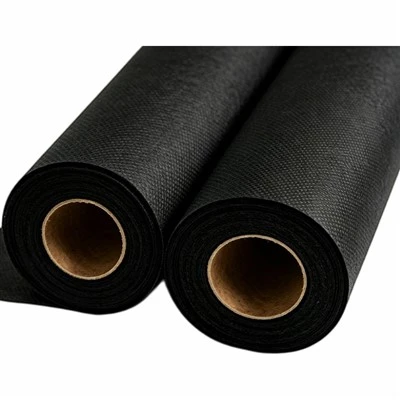
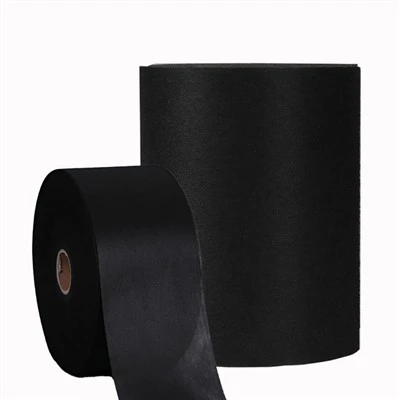
Microbial Barrier Function: Non-woven fabrics achieve sterilization efficacy through physical barriers. Their dense fiber network prevents bacterial penetration, and when combined with a closed packaging design (such as double-layer independent wrapping), they create a dual-barrier system. Experiments demonstrate that compliant medical non-woven fabrics can maintain the sterility of packaged instruments for up to 180 days, far exceeding the 7–14 day shelf life of traditional cotton fabrics.
Compatibility with Multiple Sterilization Methods: Non-woven fabrics are compatible with various sterilization techniques, including ethylene oxide, high-temperature steam, and gamma radiation. For instance, when BAJAYPACK medical non-woven fabric undergoes ethylene oxide treatment, the packaging material shows no deformation or chemical residue and does not compromise subsequent sterilization effectiveness; during high-temperature steam sterilization, its heat resistance (withstanding temperatures up to 134°C) ensures package integrity, eliminating the risk of fiber damage associated with the repeated use of traditional cotton fabrics.
Reduced Infection Risk: Non-woven fabrics offer a dust filtration efficiency 3–5 times higher than that of cotton fabrics, significantly reducing airborne suspended particles in the operating room. Clinical data indicates that instruments packaged in non-woven fabrics result in a postoperative infection rate more than 40% lower than those packaged in cotton, a benefit attributed to their low linting characteristics and superior bacterial barrier properties.