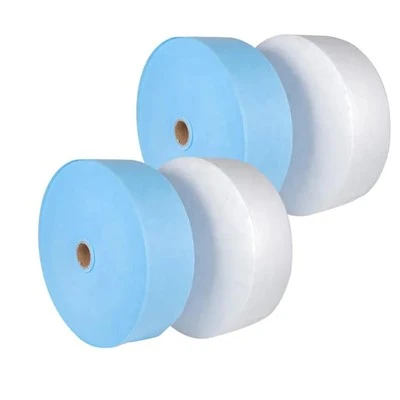
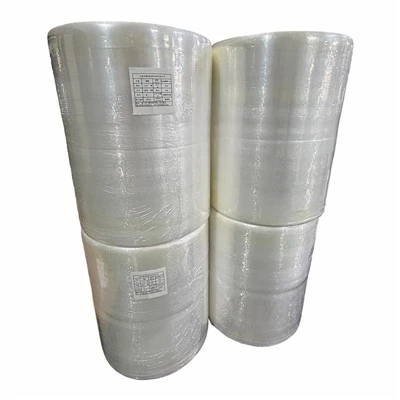
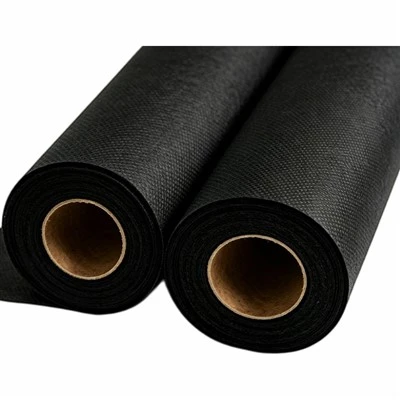
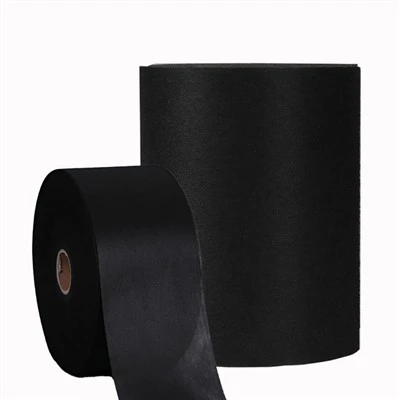
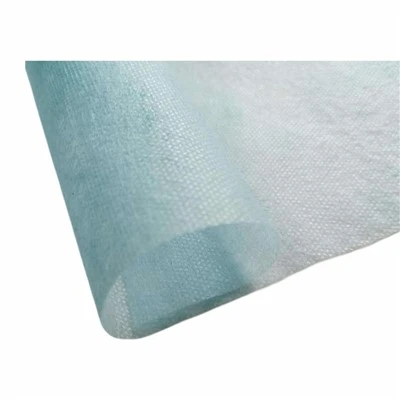
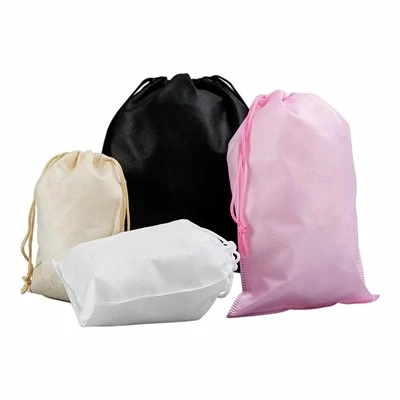
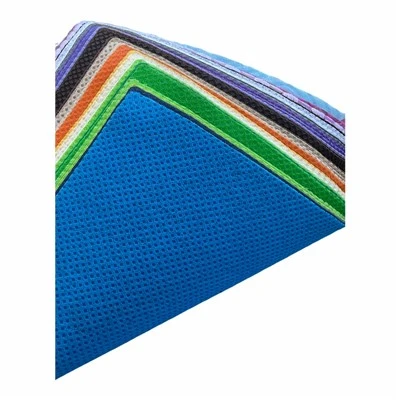
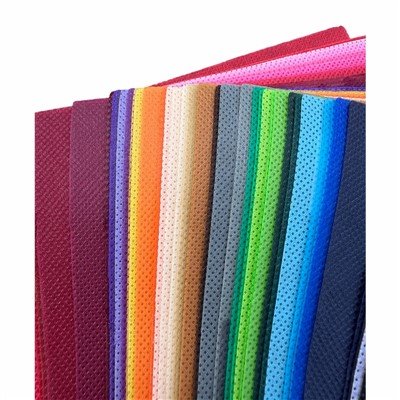
Non-woven materials are characterized by a lack of traditional structural or woven patterns, a lack of directional orientation, and a uniform cross-section; their advantages include good breathability, water resistance, tear resistance, and anti-static, anti-mold, and non-toxic properties.
Characteristics of Non-woven Materials
Non-woven materials are produced using high-molecular-weight compounds as the primary raw material, processed through high-temperature melting and specialized forming techniques. They are characterized by a lack of traditional structure or weave, a lack of directional orientation, and a uniform cross-section. These features manifest in the following ways:
Lack of traditional structure: Non-woven materials do not possess linear density or linear forms; they lack a regular mesh structure and instead exhibit a loose, three-dimensional structure.
No weaving: Non-woven materials do not require traditional processes such as spinning or weaving, thereby eliminating numerous production steps and reducing energy consumption.
Lack of directional orientation: Unlike textiles, non-woven materials do not exhibit distinct directional properties; their physical characteristics remain essentially the same in all directions.
Uniform cross-section: The cross-section of non-woven material is essentially circular or near-circular in shape.
Advantages of Non-Woven Materials
Non-woven materials offer several key advantages:
Good Breathability: The porous structure of non-woven materials allows air and water vapor to pass through, effectively preventing moisture buildup and keeping the body dry.
Water Resistance: Non-woven materials possess excellent water-resistant properties and can be specially treated to achieve various levels of water resistance.
Tear Resistance: Through techniques such as lamination and thermal bonding, non-woven materials exhibit high resistance to tearing and abrasion.
Anti-static Properties: By incorporating anti-static agents, non-woven materials can effectively prevent static electricity from damaging sensitive components.
Mold Resistance: The unique structure of non-woven materials effectively inhibits the growth of mold and bacteria.
Non-toxicity: Non-woven materials are free from toxic, harmful, or residual substances, making them a relatively eco-friendly material.