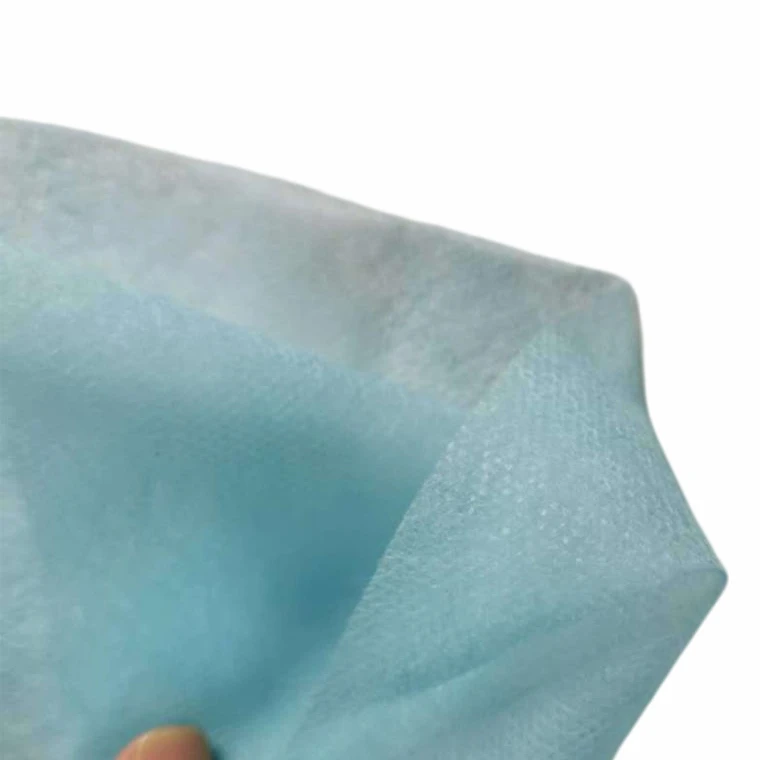
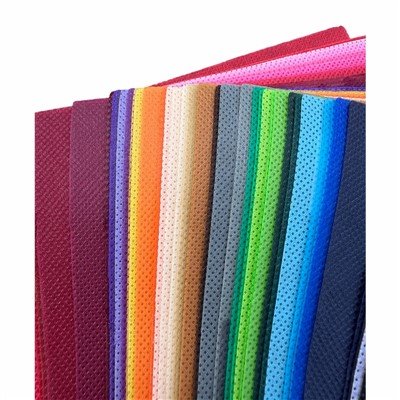
There are three primary mechanisms by which flame-retardant non-woven fabrics function. The first is endothermic cooling: upon heating, the flame retardant undergoes decomposition, absorbing significant heat and lowering the material's surface temperature, thereby making it difficult for the material to reach the temperature required for thermal decomposition. The second is oxygen isolation: when heated, the flame retardant forms a dense char layer over the material's surface-acting like a thermal shield-to separate the internal material from oxygen and cut off a necessary condition for combustion. The third is gas-phase flame retardancy: the flame retardant decomposes to release non-combustible gases (such as water vapor and carbon dioxide), which dilute the concentration of oxygen and combustible gases surrounding the material, thereby inhibiting flame propagation.
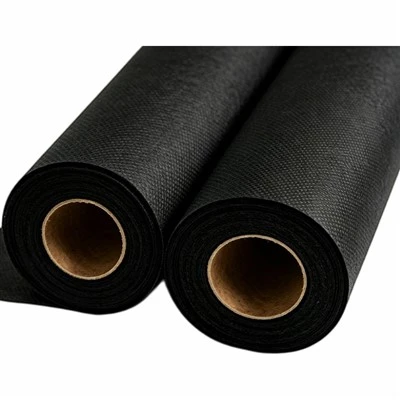
In practical applications, flame-retardant non-woven fabrics for cables typically employ a synergistic combination of these mechanisms. Composite products-featuring a fiberglass fabric skeleton combined with low-smoke, halogen-free flame-retardant materials-offer reliable flame retardancy while producing low smoke density and no corrosive or toxic gases during combustion. High-quality flame-retardant non-woven fabrics can achieve an oxygen index exceeding 30%, meaning the material resists sustained combustion even in environments with elevated oxygen concentrations.