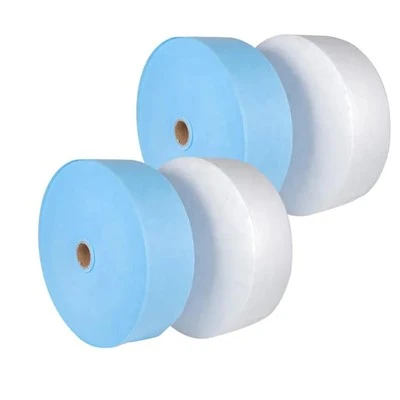
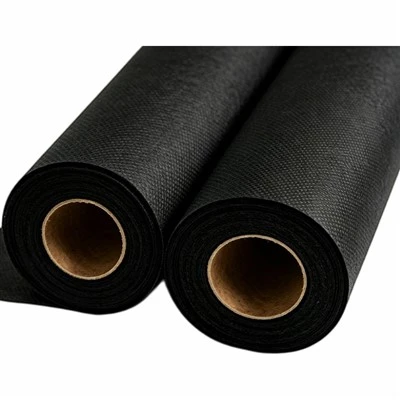
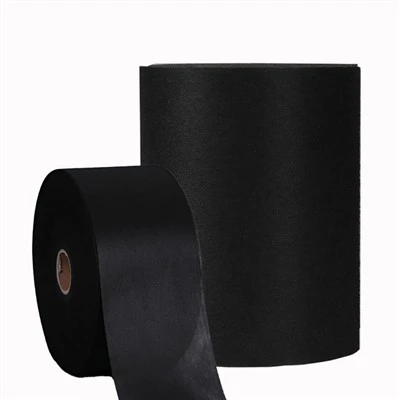
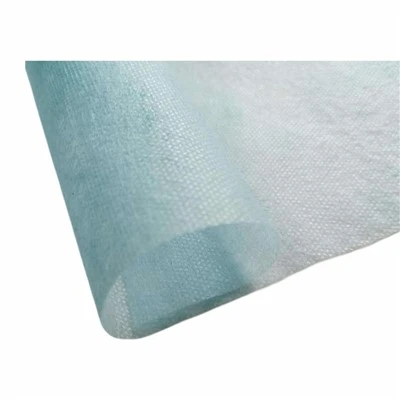
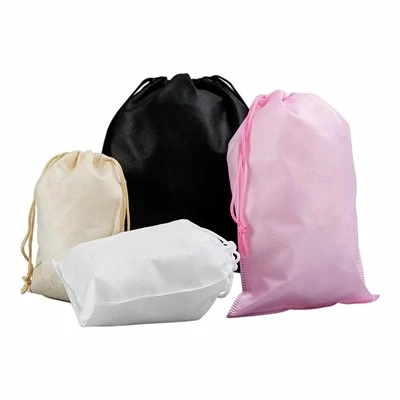
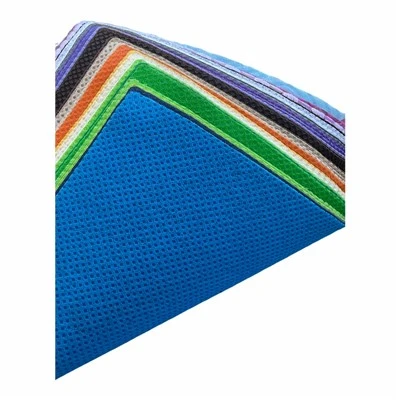
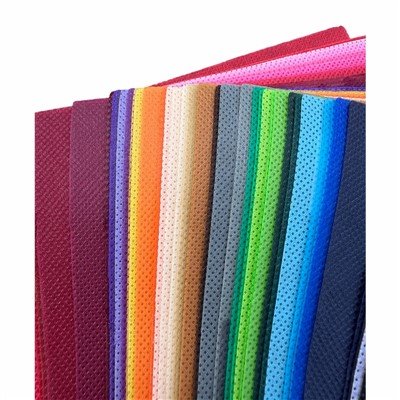
The production of non-woven fabrics primarily involves two stages: web formation and consolidation. First, staple fibers or continuous filaments are evenly distributed to form a fiber web using methods such as carding, air-laying, or wet-laying. Subsequently, the fibers are bonded-either through physical entanglement or chemical adhesion-using techniques like needle-punching, hydro-entanglement (spunlacing), thermal bonding, or chemical bonding to create a stable sheet.
Common kitchen cloths, for instance, are typically produced using the hydro-entanglement process. High-pressure water jets are used to interlock the fibers, ensuring the material remains soft while providing the necessary absorbency and durability. This process eliminates the need for chemical binders, resulting in a safer product suitable for direct contact with tableware.